

Last updated September 10, 2026
Full 25-point door and opener safety check with every visit - springs, cables, rollers, tracks, and your LiftMaster or Chamberlain opener included
You get a price before we start. It does not change when the truck arrives.
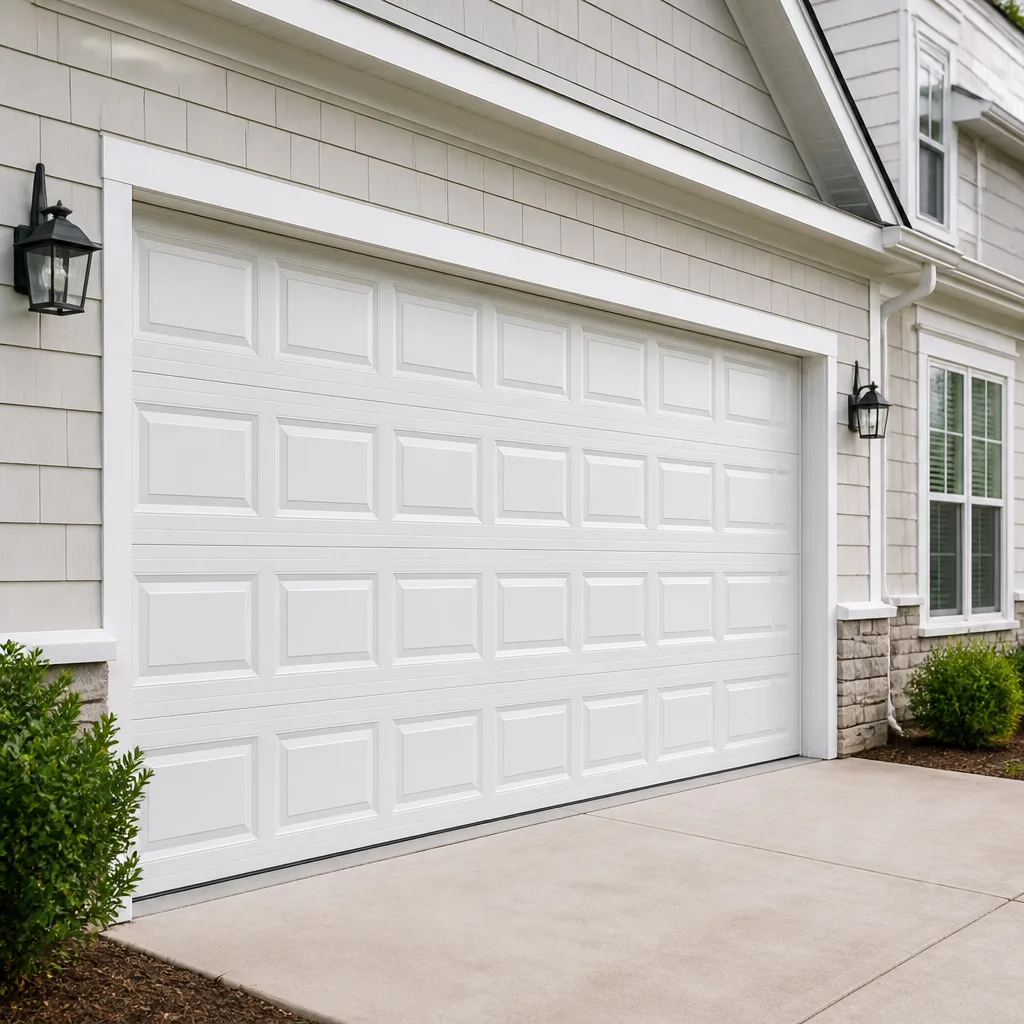
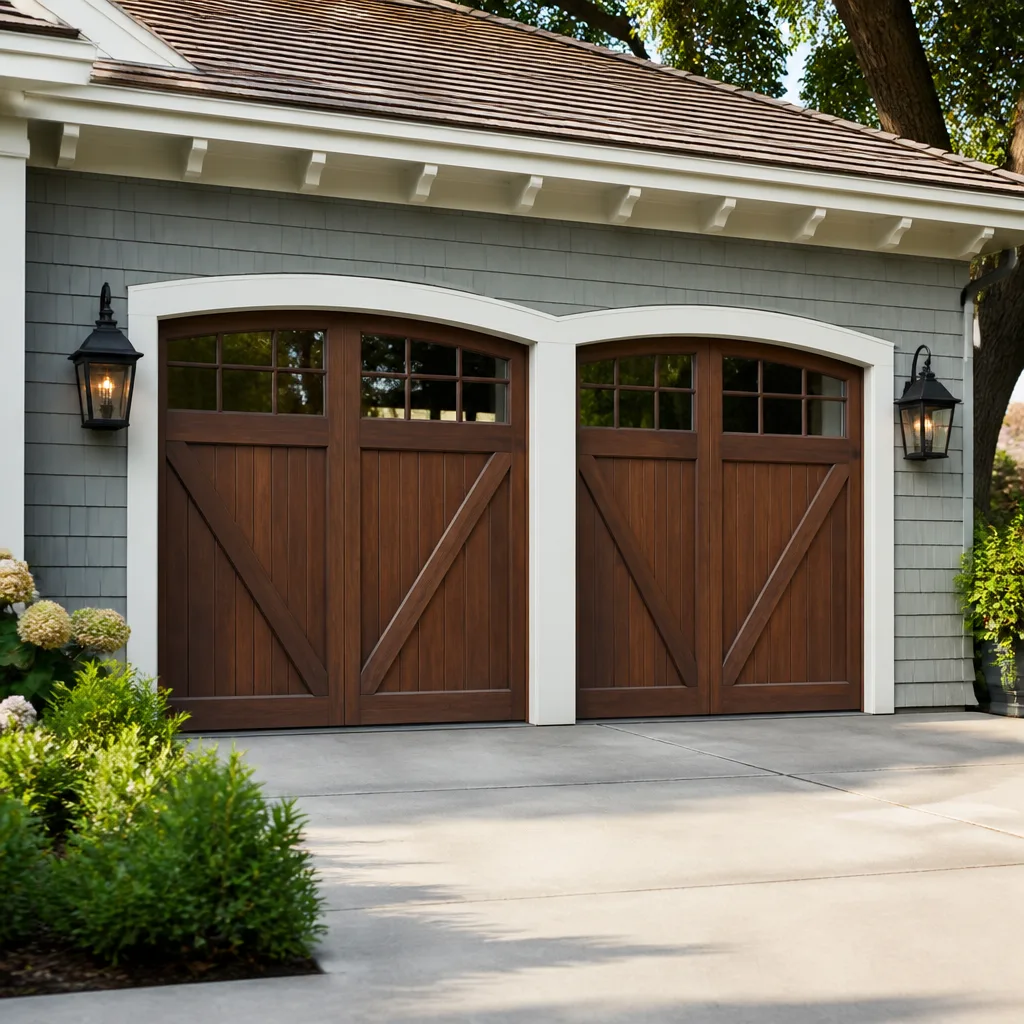
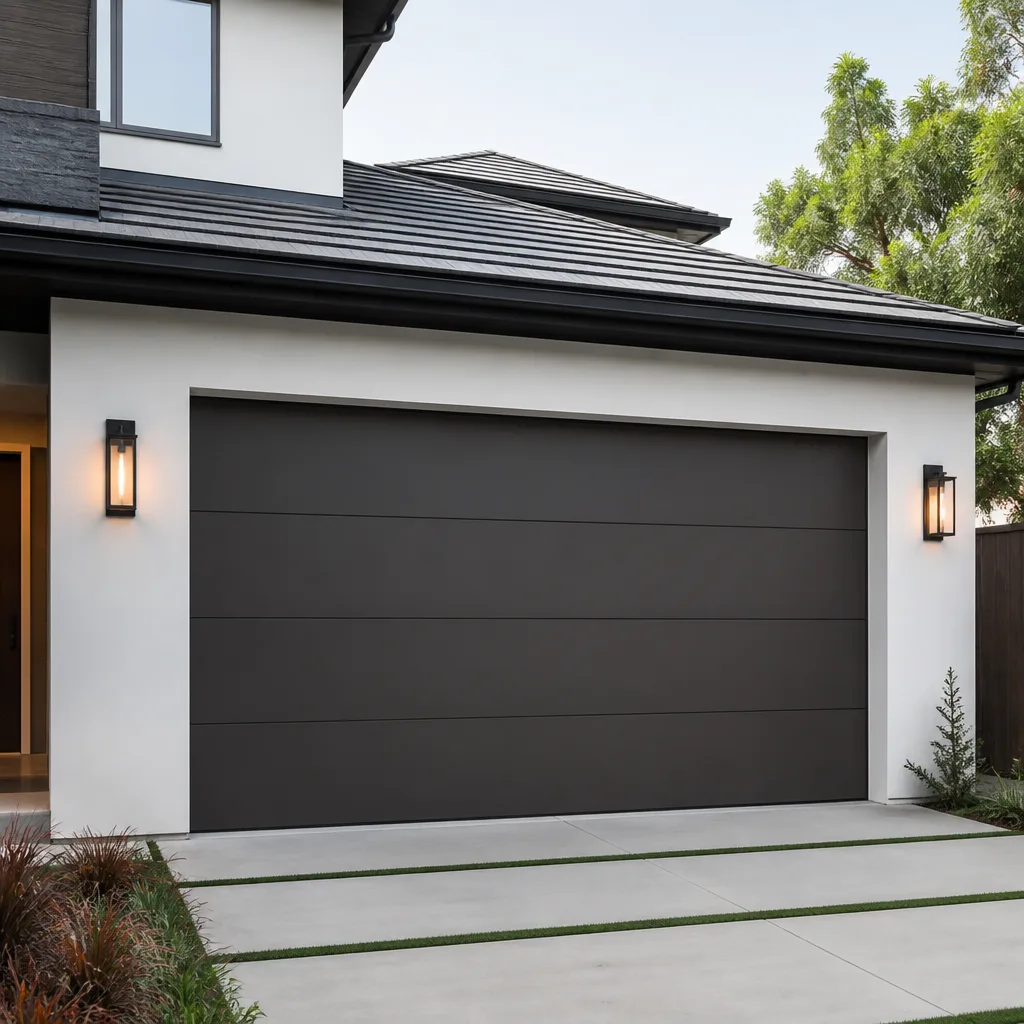
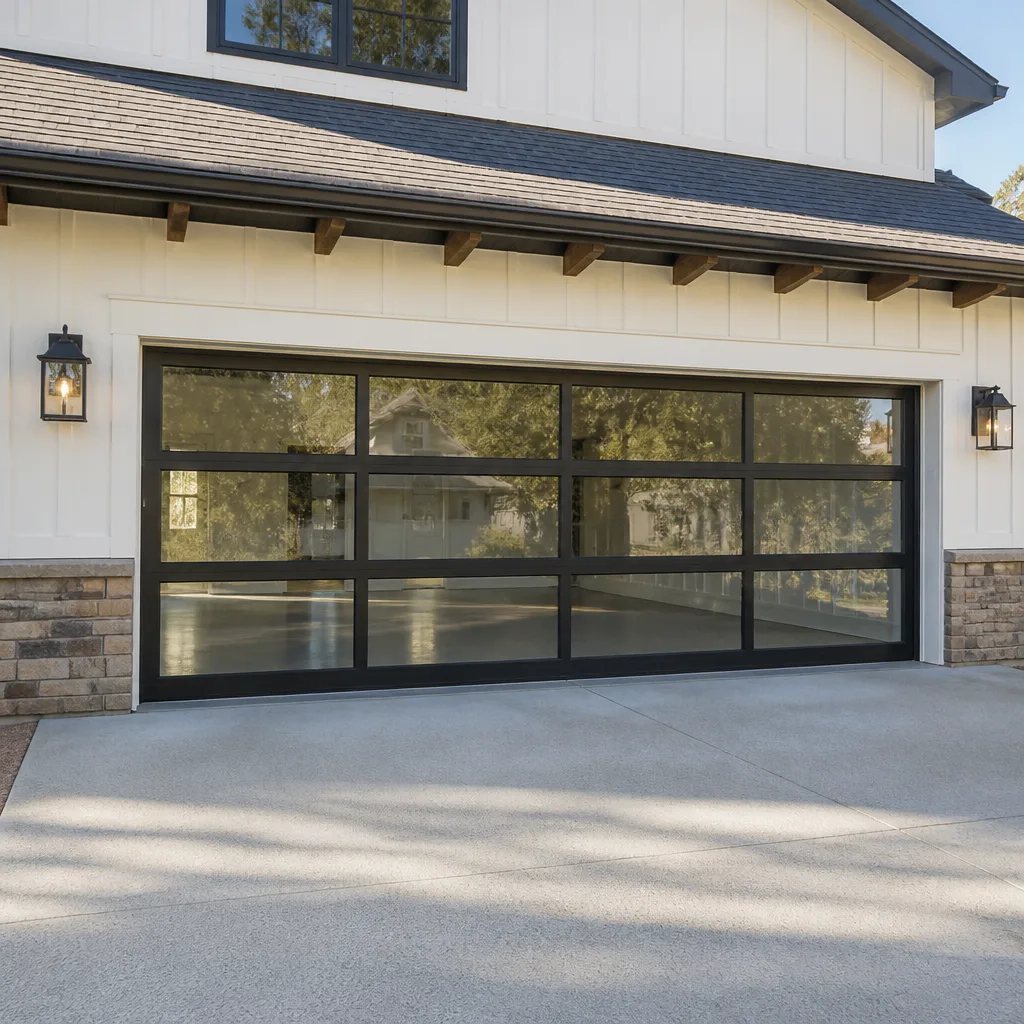
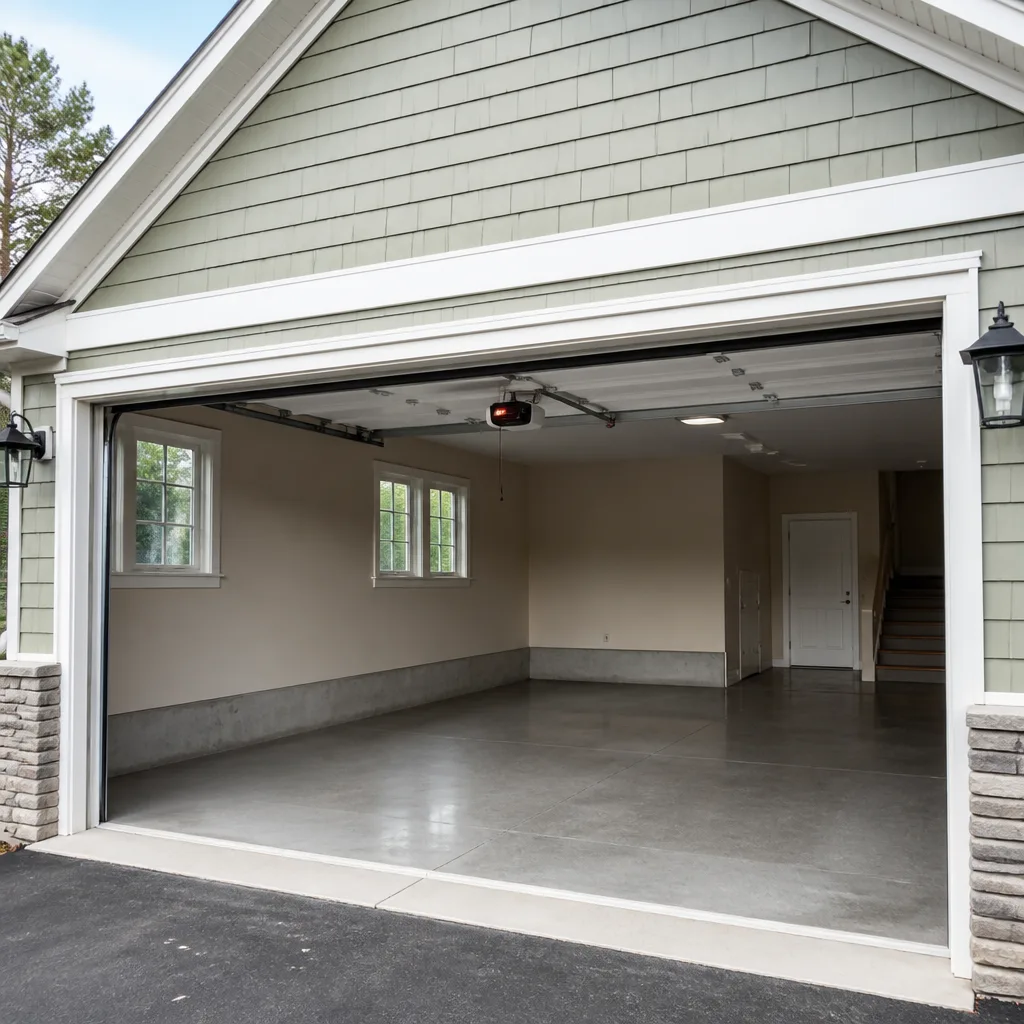
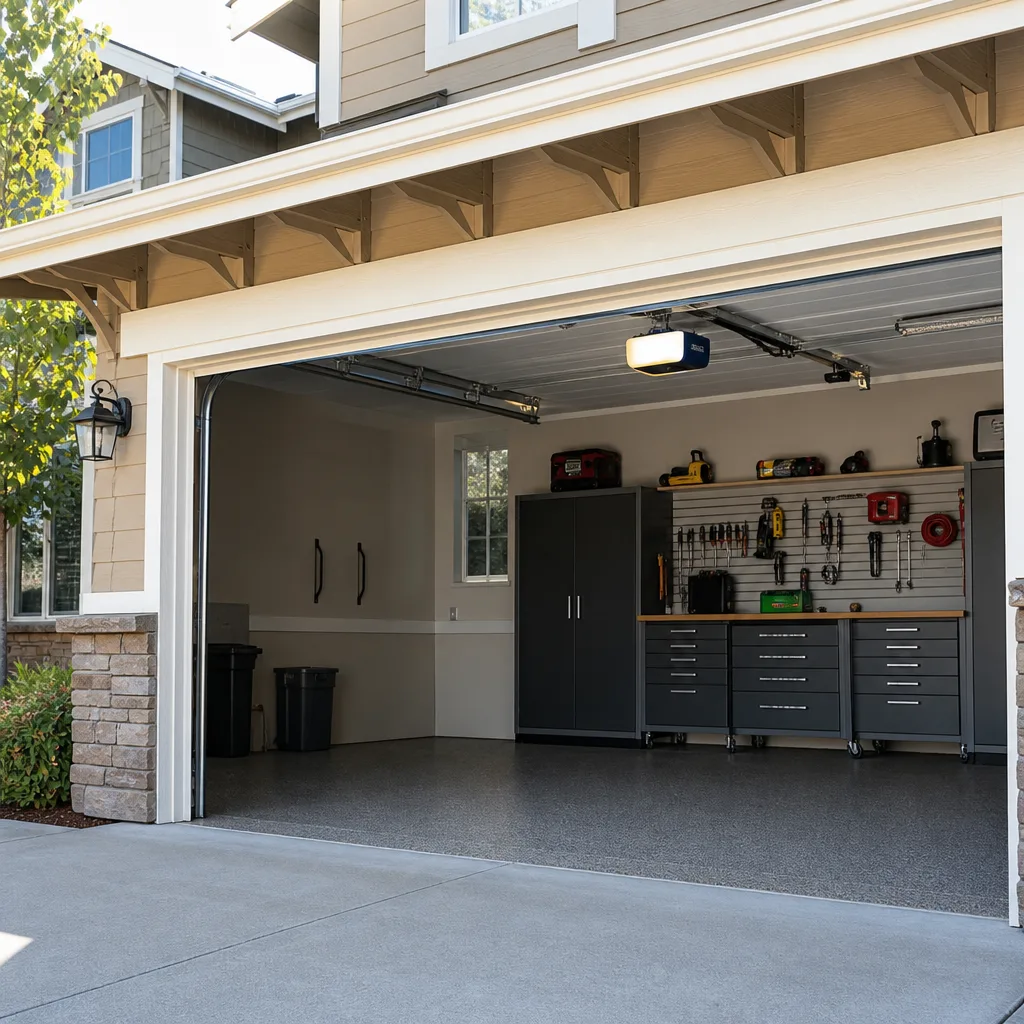
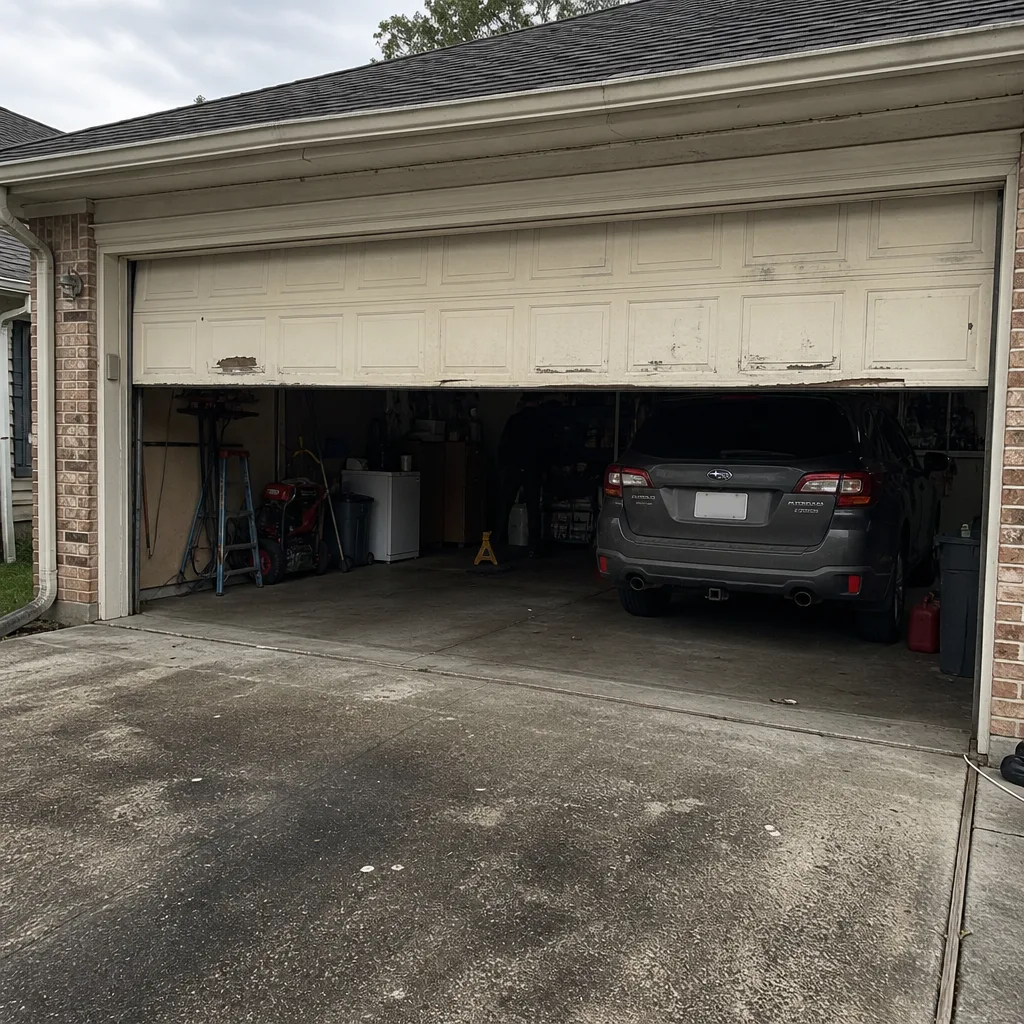 Before
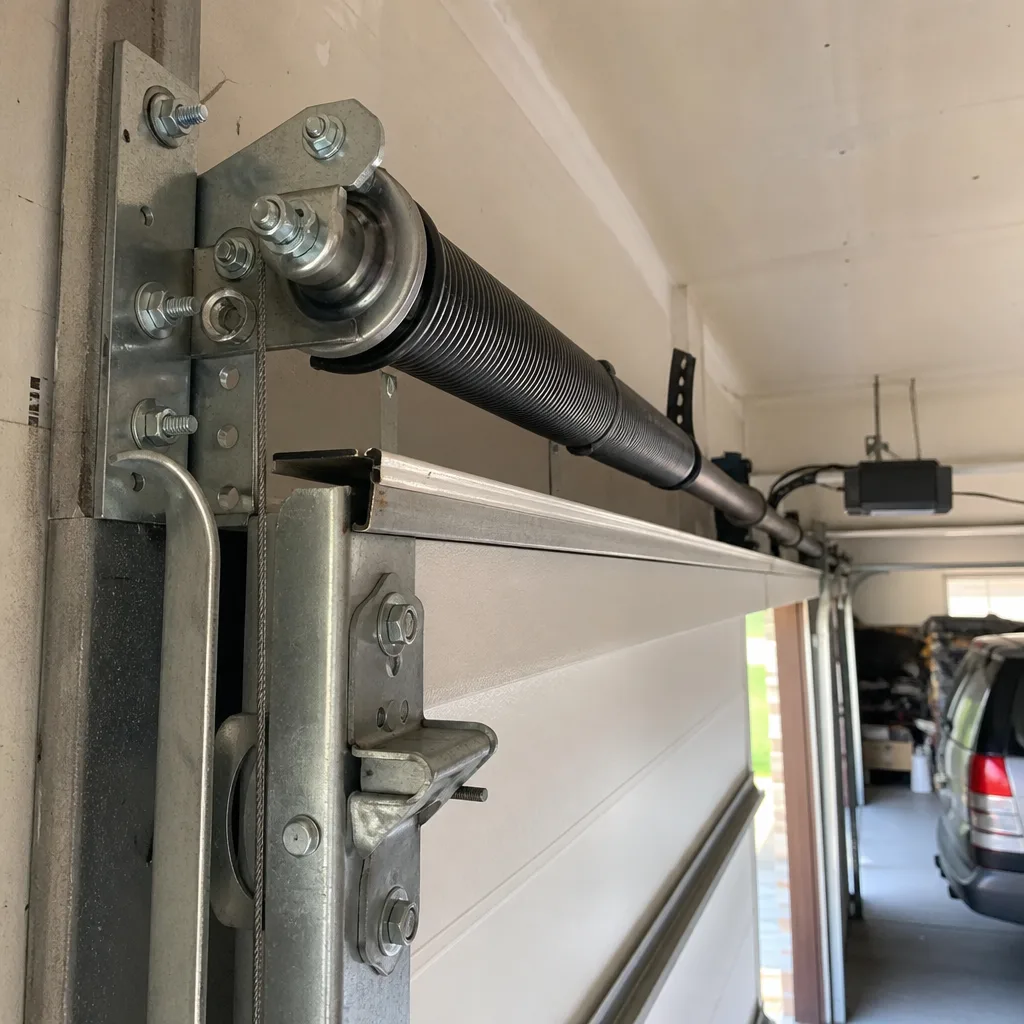 After
After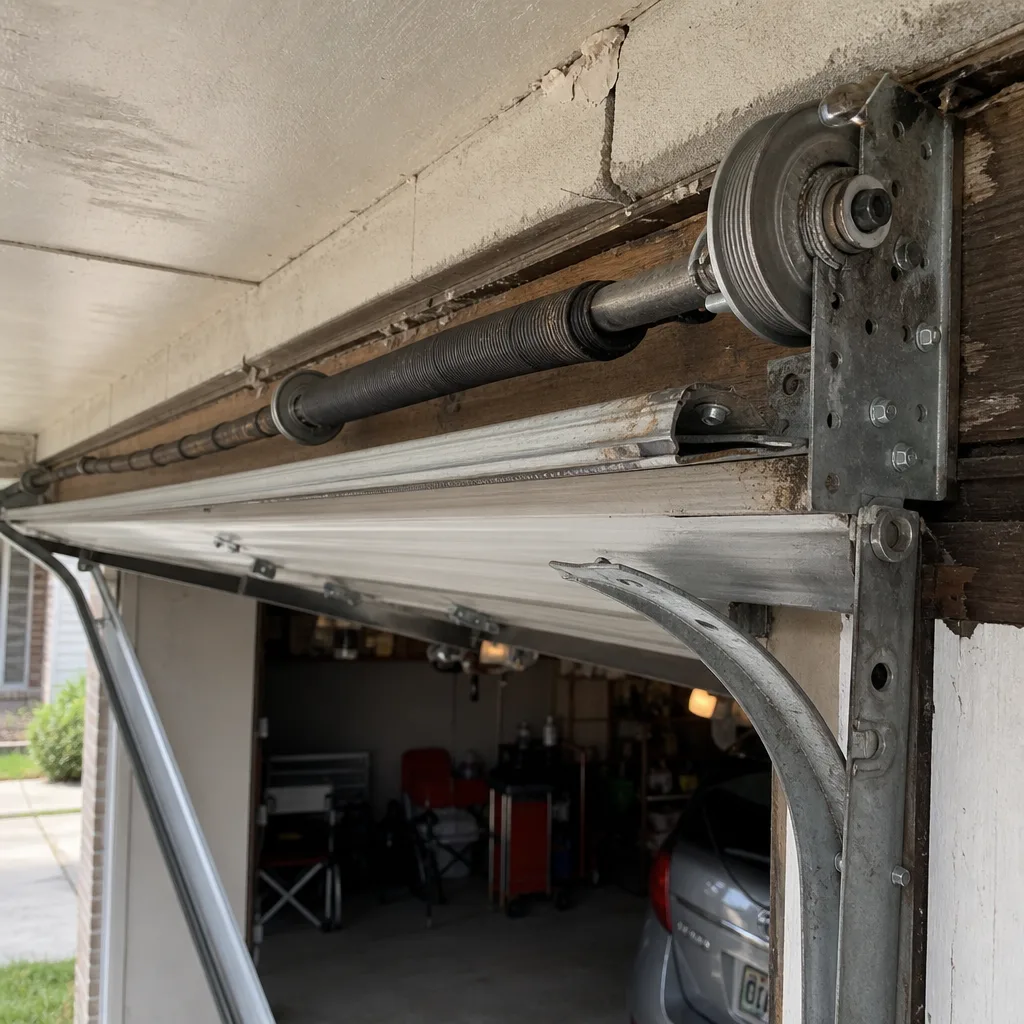 Before
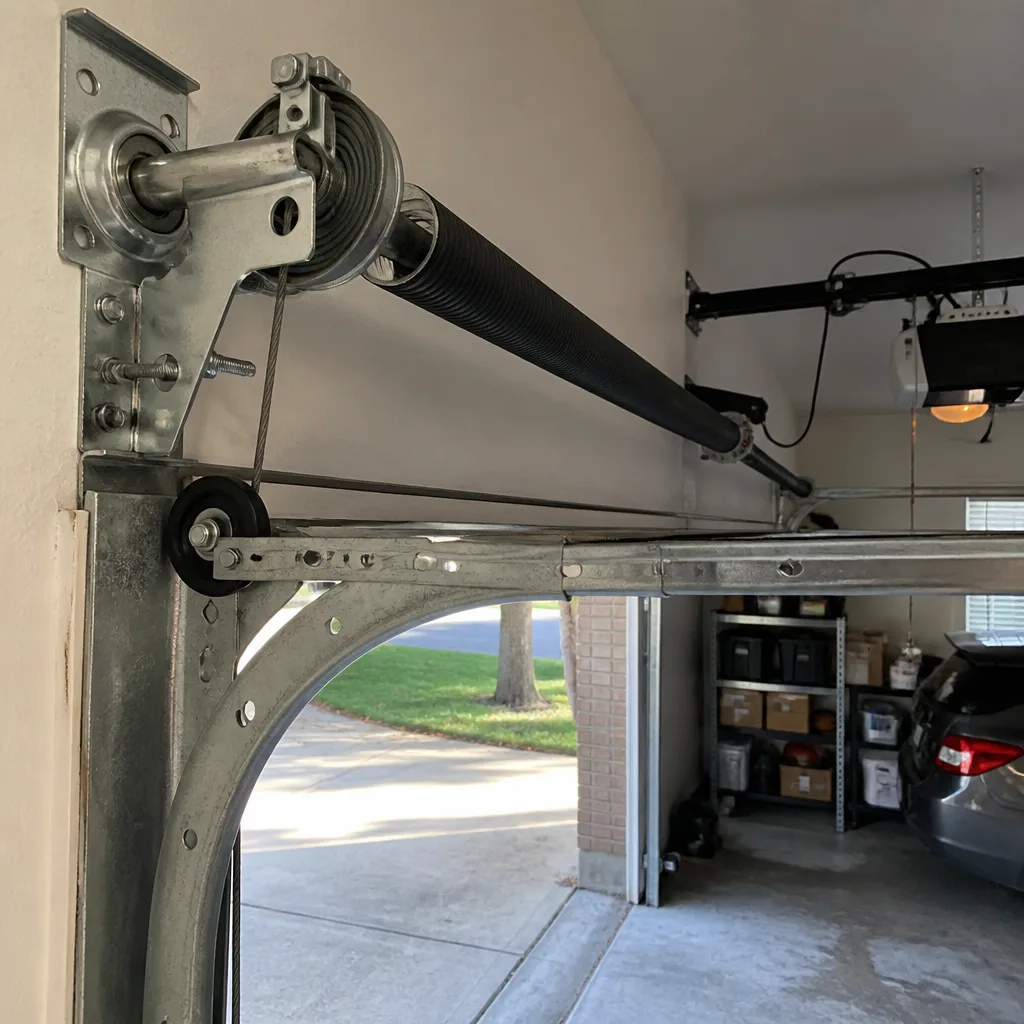 After
After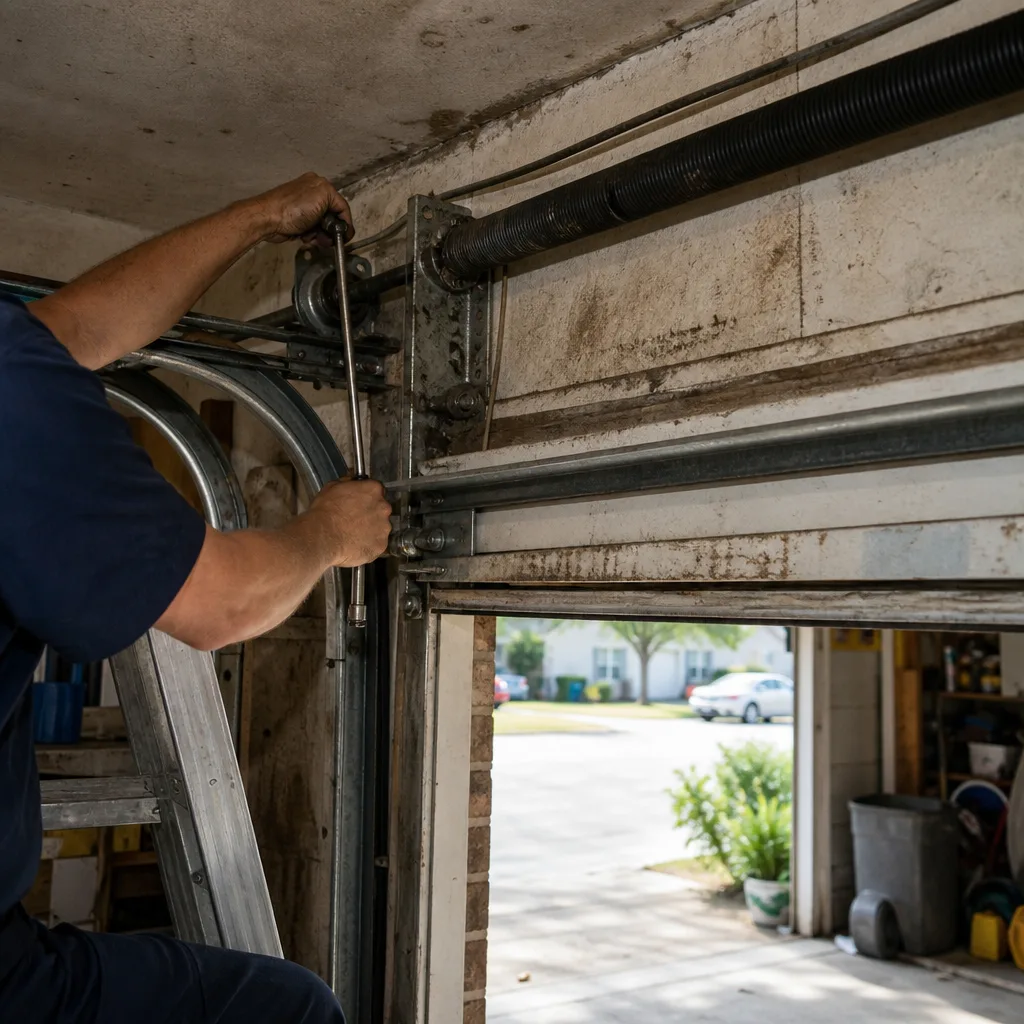 Before
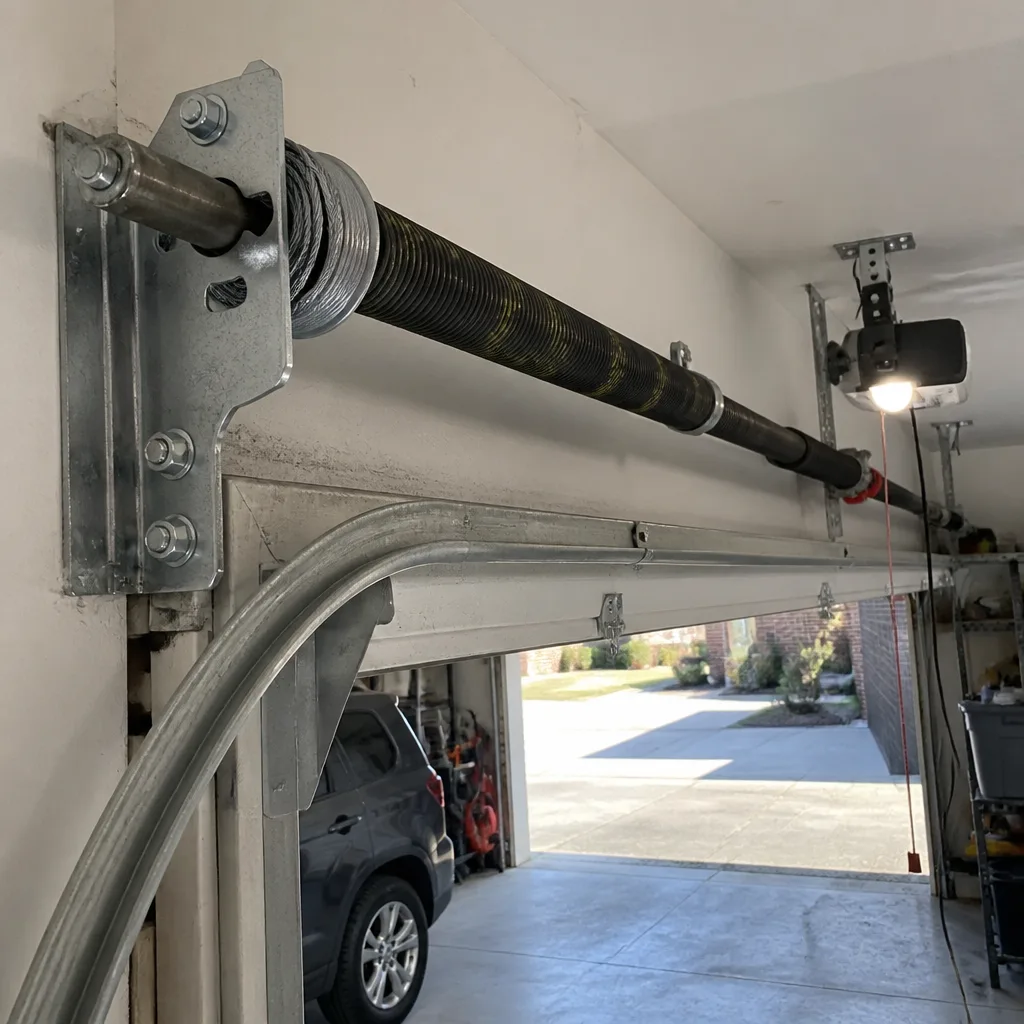 After
AfterGarage Door Permits, Codes & Inspections in TX: What You Need to Know
A Humble homeowner had a real estate closing delayed three weeks because a door installed two years earlier didn’t meet the wind load rating required under Harris County’s post-Hurricane Ike amendments. Not because the door was broken. Not because the install was sloppy. Because the paperwork and the rating sticker didn’t match what the county now requires. Most installers working the area know about this code change. Few mention it unless you ask. That’s what this guide fixes. You’ll learn exactly when a permit is required in Humble versus unincorporated Harris County, what wind load rating your door actually needs, how HOAs factor in, and what to check before you buy, sell, or replace.
Quick Answer
In most of Texas, replacing an existing garage door with a door of the same size does not require a permit, but Harris County and the City of Humble have specific wind load requirements that took effect after Hurricane Ike, and your door must carry a visible rating label proving compliance. New door openings, structural header changes, and some electrical work for openers do require permits and inspections. If you live inside Humble city limits, city code applies; if you live in unincorporated Harris County, county amendments govern, and the difference can decide whether your sale closes on time.
Table of Contents
- Harris County Wind Load Requirements: What Ike Changed
- When a Permit Is Actually Required: Humble City Limits vs. Unincorporated Harris County
- How HOA Architectural Guidelines Interact with County and City Code
- Inspection Trigger Points: What Gets a Final Sign-Off vs. Self-Certified Replacement
- How to Pull a Permit Job History Before Buying a Home in Humble
- How to Verify a Door’s Wind Load Compliance Before You Buy
- Garage Door Opener Codes: GFCI, Outlet Height, and Photoelectric Sensors
- Common Mistakes to Avoid
- When to Call a Professional
- Frequently Asked Questions
- The Bottom Line
Harris County Wind Load Requirements: What Ike Changed
Hurricane Ike hit Galveston and Harris County in September 2008 with winds strong enough to fold garage doors inward. When a garage door fails under wind pressure, the entire roof structure becomes vulnerable because the garage is typically the largest unreinforced opening in a home. After Ike, Harris County amended its residential building code to require garage doors in new construction and replacement installations to meet a design wind speed of 110 mph in most of the county, with some areas near the coast requiring up to 130 mph.
What does that mean for a Humble homeowner? Your replacement door needs a physical label, usually a silver or white sticker on the door section or a metal tag on the end stile, showing the wind load rating and the testing standard. The two standards you’ll see are ASTM E330 and DASMA 108. If a door has no label, or if the label is painted over, removed, or illegible, an inspector can flag it, and a home sale can stall right there.
In our experience installing doors across Humble, Kingwood, Atascocita, and Fall Creek, we’ve seen doors from the 1990s and early 2000s that were never rated for the current standard. The door works fine mechanically. But it doesn’t meet the amended code, and that’s a problem at inspection time. We’ve also seen doors that were rated, but the homeowner or a previous painter painted over the sticker because it looked like a barcode from a store shelf. That sticker is your proof of compliance. Without it, you’re relying on the original paperwork, and most homeowners don’t keep a garage door receipt from eight years ago.
Here’s the practical list of what to check:
- Look for a wind load label on the door itself, not just the opener.
- The label should list a design wind pressure in PSF (pounds per square foot) or a design wind speed in MPH.
- For most of Harris County, including Humble, the requirement is a minimum design wind speed of 110 mph, Exposure B or C depending on your lot.
- If your home is in a subdivision that backs up to open water, a golf course, or an open field, you may be in Exposure C, which requires a higher rating.
- The label should reference ASTM E330 or DASMA 108. If it references both, even better.
The wind load requirement isn’t a suggestion. It’s a structural safety issue, and it’s one of the few garage door code items that actually gets checked during real estate inspections in Harris County, as covered in our Garage Door Warning Signs: A Humble Homeowner’s Reference Guide. The inspector isn’t just looking at the springs. They’re looking for that label, because the label is what tells them the door was engineered for the wind zone it’s installed in.
When a Permit Is Actually Required: Humble City Limits vs. Unincorporated Harris County
Here’s the part that confuses nearly every homeowner: the rules change depending on which side of a street you live on. Humble is a small city, about 10 square miles, surrounded by unincorporated Harris County. A house on one side of FM 1960 might be inside Humble city limits, while the house across the street is in the county. Same neighborhood feel, same school district, different building code jurisdiction.
Inside Humble city limits, the City of Humble Building Department follows the International Residential Code (IRC) with local amendments. Permits are generally required for:
- New garage construction, including any new door opening
- Enlarging or altering an existing door opening, which means changing the rough opening size or the header
- Any structural modification to the framing around the door
- Electrical work for a new opener circuit, especially if you’re adding a new outlet or running new wiring
What about a straight same-size door replacement? In most cases inside Humble, no permit is required if the opening is unchanged, the header is untouched, and you’re swapping door for door. The same is true in unincorporated Harris County, where Harris County Engineering’s Residential Building Code governs. But there’s a catch, and it’s the wind load requirement we already covered. Even when no permit is needed, the installed door must still meet the county’s wind load standard. So you can legally replace a door without pulling a permit, but you can still end up with an out-of-compliance installation if the door doesn’t carry the right rating label.
Here’s a numbered walk-through of how to figure out which jurisdiction you’re in and what you need:
- Type your address into the Harris County Appraisal District (HCAD) property search. It will show your taxing jurisdiction.
- If your tax record shows “City of Humble” as a taxing entity, you’re inside city limits and answer to Humble’s Building Department.
- If it shows only Harris County, MUD districts, and school districts, you’re in unincorporated Harris County and answer to Harris County Engineering.
- For a same-size door replacement in either jurisdiction, permits are typically not required, but wind load compliance is mandatory.
- For any opening change, header modification, or new electrical circuit, call the appropriate building department and ask. A five-minute phone call saves a failed inspection later.
This boundary question matters for one more reason: when a contractor tells you “no permit needed in Harris County,” they may be right for their side of the street and wrong for yours. Otto’s Garage Door has been doing Garage Door Repair in Humble since 2004, and we check jurisdiction on every job where the opening is changing. It’s a habit that has saved more than one homeowner from a surprise at closing.
How HOA Architectural Guidelines Interact with County and City Code
Humble’s larger subdivisions, including Atascocita, Kingwood, Fall Creek, Eagle Springs, Balmoral, and The Groves, are almost all governed by homeowners associations with architectural review committees. Here’s what most people don’t understand: HOA rules and building codes are two separate systems, and compliance with one does not satisfy the other.
Harris County or City of Humble code controls safety: wind load, structural integrity, electrical safety. Your HOA controls appearance: door color, material, panel style, window inserts, and sometimes even the brand of opener if it has exterior-facing components. When the two conflict, the stricter requirement wins in practice. If the county says a steel door rated for 110 mph is fine but your HOA requires a wood-look door in a specific stain, you need a door that satisfies both, and that usually means custom ordering from a manufacturer like Amarr or Wayne Dalton with a specific panel profile and a vinyl overlay that can be painted or stained to match the HOA’s palette while still carrying the wind load rating.
The order of operations matters here. If you’re planning a door replacement in an HOA community, follow this sequence:
- Read your subdivision’s architectural guidelines. Most HOAs post them on their management company’s website.
- Submit a modification request or architectural change form before ordering anything. Approval typically takes 7 to 30 days depending on the HOA’s meeting schedule.
- When the approval comes back, note any conditions: specific colors, a maximum number of panel windows, a required carriage-house style.
- Give that approval letter to your installer so the door ordered matches the approved spec.
- Keep the approval letter, the door’s wind load label documentation, and the installer’s invoice in one file. You’ll need all three when you sell.
We’ve seen a Kingwood homeowner order a door, wait three weeks for delivery, and only then learn the HOA required a specific shade of sage green that the standard factory finish didn’t offer. The door had to be field-painted by a licensed finishing company to match the spec, adding two weeks and about $400. That’s the difference between knowing the process and discovering it the hard way. When we do Garage Door Installation in Humble, we ask about the HOA before we quote, not after the door shows up on the truck.
Inspection Trigger Points: What Gets a Final Sign-Off vs. Self-Certified Replacement
Not all garage door work ends with an inspector walking your driveway. Understanding what triggers a formal inspection versus what’s a self-certified replacement will save you from either over-worrying or skipping a step you actually need.
Work that typically requires a permit and final inspection:
- New garage construction or conversion of a carport to a garage
- Enlarging or relocating a door opening, including any header modification
- Installing a new electrical circuit for an opener, especially a 120V dedicated circuit
- Adding a second door where only one existed
- Any structural repair to the wall framing around the door, not just the door components themselves
Work that is typically self-certified, meaning no permit and no inspection:
- Same-size door replacement where the opening, header, and framing are untouched
- Spring replacement, cable replacement, roller replacement, and panel hinge replacement
- Opener replacement where the electrical outlet already exists and no new wiring is run
- Weather seal and threshold replacement
The self-certified category causes the most confusion. Homeowners assume that if no permit is needed, no code applies. Wrong. The wind load standard applies to every replacement door in Harris County, permitted or not. The code’s reach is broader than the permit’s trigger. Think of it this way: a permit tells the building department you’re doing work, and the inspection verifies it. But the code applies whether or not the department ever finds out. You can drive 50 mph in a 35-zone for years without a ticket, but the limit is still the limit.
For electrical work specifically: if your existing garage opener outlet is already in place and was installed to code, swapping the opener is low-risk. But if you have an older home in a Humble neighborhood like Lakeland or Timberwood where the garage outlet is on a shared circuit with no GFCI protection, the new code requires GFCI protection for garage receptacles, and bringing that up to current standard may require an electrician and a permit. That’s the kind of thing an inspector will catch if you’re already under permit for something else on the property, like a kitchen remodel or a water heater replacement. Expanding the scope of an existing permit to include the garage outlet fix is cheaper than starting a new permit later.
How to Pull a Permit Job History Before Buying a Home in Humble
If you’re buying a home in Humble or anywhere in Harris County, do not assume the garage door work you see was done legally-see our How to Hire a Garage Door Contractor in Humble: A Step-by-Step Guide for what to verify. The previous owner might have done a same-size replacement with a compliant door and kept the paperwork, or they might have cut a wider opening for an oversized truck and never told the county. You can’t tell by looking at the door.
Here’s the process for pulling a permit history:
- Ask the seller for all documentation related to the garage: the original door invoice, the wind load label documentation, any HOA approvals, and any permits.
- If the seller can’t produce documentation, contact the City of Humble Building Department or Harris County Engineering and request a permit history search for the property address. This is public record.
- Look for permits pulled for “garage,” “door opening,” “residential alteration,” or “electrical” that match the timeline of any visible work.
- If no permit is found but the opening appears to have been altered, flag it for your home inspector. An experienced inspector can often tell whether an opening was original or modified by looking at the header, the framing pattern, and the brick or siding cuts.
- If work was done without a required permit, don’t panic. Most jurisdictions allow retroactive permitting, though it usually requires opening up the wall to expose the header for inspection. That’s a negotiation point with the seller, and it’s one that has delayed more than a few Humble closings.
We’ve been called out to homes in Atascocita and Kingwood specifically to help document a door’s compliance after a failed inspection or a stalled sale. Sometimes the fix is simple: the label exists but was painted over, and we can provide a letter documenting the door’s make, model, and rating based on the manufacturer’s records. Other times the door genuinely doesn’t meet the standard, and the homeowner has to decide between replacing it before the sale or negotiating a credit with the buyer. Knowing which situation you’re in before you list the house is a lot cheaper than finding out three weeks before closing.
How to Verify a Door’s Wind Load Compliance Before You Buy
The smartest time to verify wind load compliance is before the door arrives on a truck, not after it’s bolted to your house-use our Garage Door Repair Maintenance Checklist for Humble Homeowners to stay ahead of issues. Once a non-compliant door is installed, you’re either living with a code violation or paying for removal and reinstall, and a two-car door in the 16-foot range is not a one-man job to uninstall.
Here’s a step-by-step verification process:
- Ask the installer or retailer for the door’s wind load documentation before you pay a deposit. Reputable manufacturers like Amarr, Wayne Dalton, and Raynor publish wind load charts on their websites, and any dealer can provide the specific rating for the model you’re buying.
- Confirm the rating is expressed in design wind speed (MPH) or design wind pressure (PSF) and that it meets or exceeds 110 mph design wind speed for Harris County, with the correct exposure category for your property.
- Ask whether the door is rated under ASTM E330 or DASMA 108, or both. Both standards are accepted in Harris County.
- Ask where the compliance label will be located on the door. The label should be affixed by the manufacturer, not hand-written by the installer.
- When the door is delivered, photograph the label before installation. That photo is your permanent record if the label is ever painted over or damaged.
- Keep the photo, the invoice showing the model number, and the HOA approval (if applicable) in a file with your closing documents.
The verification step matters even if you’re keeping the house forever and never selling. If a storm damages your door and you file an insurance claim, the adjuster may ask about the door’s wind rating. A door that meets the code is more likely to survive the storm in the first place, but if it doesn’t, you want to be able to prove it was installed to the standard that was in effect when you bought it. That proof is worth more than any warranty card.
Garage Door Opener Codes: GFCI, Outlet Height, and Photoelectric Sensors
While the door itself gets most of the attention on wind load, opener installation has its own set of code requirements that trip people up. Since 1990, federal regulations under UL 325 have required all residential garage door openers to include photoelectric sensors, also called photo eyes or safety sensors, mounted no higher than 6 inches above the floor on each side of the door opening. If those sensors are missing, bypassed, or mounted at the wrong height, the opener is out of compliance.
Here are the key opener code points for Humble and Harris County:
- Photoelectric sensors must be mounted no higher than 6 inches above the garage floor and must stop and reverse the door if the beam is broken during closing.
- The opener must reverse within 2 seconds of contacting a 2×4 laid flat on the floor during closing.
- The garage receptacle for the opener must be GFCI-protected. If your outlet is not GFCI-protected, the opener technically doesn’t meet current electrical code.
- The receptacle for the opener is typically mounted on the ceiling, but any new outlet in the garage must be GFCI-protected, including wall outlets used for power tools or a freezer.
- Openers installed after 2016 in new construction must have battery backup in some jurisdictions, but this is not yet a retrofit requirement in Harris County for existing homes.
We work on openers every week in Humble, and the two most common code failures we see are sensors mounted too high because the homeowner or a previous installer didn’t want to bend down to align them, and GFCI outlets that have been replaced with standard outlets because the GFCI kept tripping. Both are cheap fixes and both are exactly the kind of thing a buyer’s home inspector will write up. If you’re already having Garage Door Opener in Humble work done, ask the person doing the work to check the sensor height and the outlet protection while they’re there. It takes five minutes and prevents a written-up inspection later.
Common Mistakes to Avoid
- Assuming a door replacement never needs a permit anywhere in Texas. It doesn’t in most same-size cases, but wind load compliance still applies, and any opening change triggers a permit. The assumption is what creates the problem.
- Painting over the wind load label. That label is the only physical proof the door meets Harris County’s post-Ike standard. Painting over it is like erasing the VIN from a car door.
- Trusting an installer who says “the county doesn’t check that.” The county may not check it on a random Tuesday, but a home inspector will check it during a sale, and the seller will be the one paying for the delay.
- Skipping HOA approval because the project feels small. A garage door is the single largest visual element on the front of many Humble-area homes. HOAs absolutely do enforce door color and style, and retroactive approval is a pain.
- Not knowing whether you’re in city limits or unincorporated county. The rules are similar but not identical, and the enforcement path is different. Check your HCAD record before you start.
- Replacing an opener on a non-GFCI outlet without fixing the outlet. The opener will work fine, but the installation doesn’t meet current code, and a future home inspection will flag it.
- Buying a house without checking the permit history on the garage. Three weeks of closing delay is a small price compared to a retroactive permit that requires opening up a wall to expose a header. Check before you sign.
When to Call a Professional
Some garage door work is genuinely DIY territory: replacing weather seal, lubricating rollers, tightening loose bolts. This guide is not about that. But when you’re dealing with wind load compliance, permit triggers, HOA approvals, or anything involving springs and cables, call someone who does this every day in your county. A door is 200 pounds riding on two springs. Respect it. High-tension springs and cables under load can cause serious injury or death if they fail during service, and a trained professional knows how to safely de-tension, replace, and re-tension them. If you need a replacement door that meets Harris County’s wind load standard and your HOA’s style requirements, Otto’s Garage Door offers free estimates in Humble, and we quote the job on the call and hold that number when we arrive. Call (281) 826-5240.
Frequently Asked Questions
No permit is required for a same-size door replacement in most of Harris County, including Humble, as long as the opening, header, and framing are not modified. However, the replacement door must still meet the county’s wind load rating requirement, which is a code compliance issue that applies whether or not a permit was pulled. Call (281) 826-5240 if you’re unsure, and we’ll tell you straight over the phone.
Most of Harris County, including Humble, requires a garage door rated for a design wind speed of at least 110 mph, with the specific exposure category determined by your lot’s surroundings. The rating must be proven by a manufacturer’s label on the door referencing ASTM E330 or DASMA 108. If your current door has no label or the label is illegible, it likely doesn’t meet the current standard.
Yes. Your HOA can require a specific door material, color, panel style, or window configuration that exceeds the minimum safety standards in the building code. You must satisfy both the code’s wind load requirement and the HOA’s architectural guidelines, which often means ordering a door from a manufacturer like Amarr or Wayne Dalton that offers the wind rating and the finish options your subdivision requires.
Search your property address on the Harris County Appraisal District (HCAD) website and look at the taxing jurisdictions. If “City of Humble” appears as a taxing entity, you’re inside city limits. If only Harris County and MUD or school districts appear, you’re in unincorporated county territory. The permit and enforcement path differs slightly between the two.
The buyer’s home inspector can flag the non-compliant door, and the sale can be delayed while the compliance issue is resolved. Resolution typically means either producing documentation proving the door meets the standard, or replacing the door. Some sellers negotiate a credit instead of replacing, but that’s a conversation you’d rather have before you list, not after you’ve accepted an offer.
Yes. Opener safety sensors must be mounted no higher than 6 inches above the floor on both sides of the opening, the opener must reverse within 2 seconds when it contacts an obstruction, and the opener’s electrical outlet must be GFCI-protected. These are federal UL 325 requirements and are enforced during home inspections. Call (281) 826-5240 for a free estimate on any opener work in Humble.
The Bottom Line
Texas gives homeowners wide latitude on garage door work, but Humble sits in Harris County with a specific overlay of wind load requirements born from Hurricane Ike, and assuming you’re exempt because “it’s just a door replacement” is the exact mistake that stalls a sale at inspection. Know your jurisdiction, verify the wind load label before you buy, get HOA approval in writing before you order, and pull the permit history before you sign on a house. Most same-size replacements need no permit, but every replacement needs a compliant door. If you’re anywhere in Humble and you want a straight answer about your specific property, call (281) 826-5240 and ask for Otto. He answers the phone himself, quotes the job on the call, and holds that number when he pulls up. The name on the van is the name on the invoice and the name on the license, and it’s been that way since 2004. Start with our Otto’s Garage Door home page if you want to see how we work.
Written by Otto Reinhardt, Owner at Otto’s Garage Door, serving Humble since 2004.